How Social Media Affects Mental Health | Risks, Benefits & Tips
Published: 2 Mar 2025
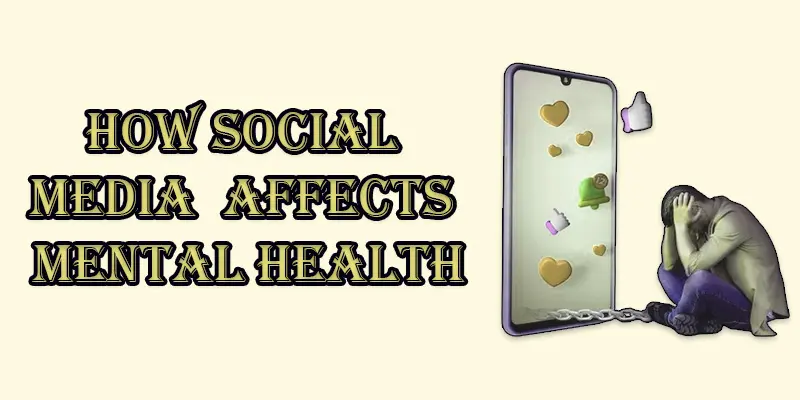
Do you ever feel stressed after scrolling for hours? You are not alone. Many people notice that their mood changes after using apps like Facebook, Instagram, or TikTok. This is because Social Media Affects Mental Health more than we think. It can make you feel happy for a moment, but it can also cause anxiety, low confidence, and even loneliness.
You may compare your life with others. You may feel like you are not good enough. This is a common problem today. Too much screen time can also disturb your sleep and reduce your focus. But here is the good news. You can still use social media in a healthy way.
In this guide, you will learn how social media impacts your mind and emotions. You will also discover simple tips to stay safe and feel better. Ready to take control of your mental health? Let’s explore how small changes can make a big difference.
How Does Social Media Affect Mental Health Positively and Negatively?
Social media can impact mental health in both positive and negative ways, depending on how it is used.
Positive Effects of Social Media on Mental Health
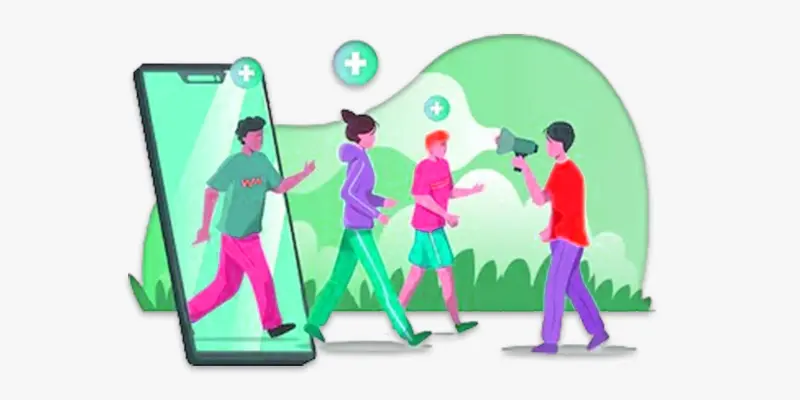
Social media can assist mental health by connecting people, offering support, and providing access to helpful information.
- Stress Relief
- Increased Awareness
- Sense of Belonging
- Emotional Support
- Access to Professional Help
- Positive Distractions
Emotional Support
Social media allows people to share their feelings and receive support from friends, family, or online communities. Encouraging messages and kind words can help someone feel less alone.
Stress Relief
Social media offers fun content like videos, memes, and music to help people relax. Watching or sharing positive content can reduce stress and improve mood.
Increased Awareness
Social media spreads awareness about mental health issues and self-care tips. It helps people learn about symptoms, treatments, and ways to support others.
Sense of Belonging
Social media helps people find communities where they feel accepted and understood. Making connections with people who have gone through similar things gives you a sense of support and belonging.
Access to Professional Help
Social media connects people with mental health experts, therapy apps, and helplines. It makes finding professional help easier and more accessible for everyone.
Positive Distractions
Social media offers fun videos, games, and uplifting content that help take the mind off stress. These positive distractions can improve mood and provide a mental break.
Negative Effects of Social Media on Mental Health
Social media can occasionally be harmful to mental health since it can induce stress, worry, and emotional problems.
- Sleep Problems
- Anxiety and Depression
- Fear of Missing Out (FOMO)
- Comparison and Low Self-Esteem
- Cyberbullying and Harassment
- Addiction and Overuse
Comparison and Low Self-Esteem
Due to the continuous exhibition of idealized images and lifestyles on social media, people often compare themselves to others. Low self-esteem and feelings of inadequacy may result from this.
Anxiety and Depression
Stress, anxiety, and sadness can result from spending too much time on social media. Anxiety and despair might result from hearing unfavorable remarks, receiving terrible news, or feeling excluded.
Cyber Bullying and Harassment
People can abuse others online, propagate false information, and send harmful remarks thanks to social media. This can cause stress, sadness, and serious emotional harm.
Sleep Problems
Using social media late at night can make it hard to sleep. The bright screen and endless scrolling keep the brain active, leading to tiredness and stress.
Addiction and Overuse
Overusing social media can develop into a difficult-to-break habit. It can take away time from work, studies, and real-life social interactions.
Fear of Missing Out (FOMO)
People may feel excluded when they see others on social media enjoying activities or accomplishments. This fear of missing out (FOMO) can cause stress, anxiety, and sadness.
Why is Social Media Bad for Mental Health?
Because social media puts pressure on users to maintain their appearance and keep up with others, it can be detrimental to mental health. Seeing edited photos and exciting posts can make people feel like their own life isn’t good enough. This can lower self-esteem and lead to feelings of sadness or anxiety.
Spending too much time online can also cause stress and sleep problems. Cyberbullying, negative comments, and constant notifications can make people feel overwhelmed. Too much social media use takes away time from real-life activities, making people feel lonely and disconnected.
How to Use Social Media in a Healthy Way?
Using social media in a healthy way means finding balance and setting limits. It helps to focus on positive content and take breaks when needed.
- Set Screen Time Limits
- Follow Positive Content
- Take Social Media Breaks
- Avoid Negative Interactions
- Engage in Real-Life Activities
- Use Social Media for Learning
Set Screen Time Limits
Limiting screen time helps prevent overuse and keeps social media from taking over daily life. Setting app timers or taking breaks can improve focus and mental well-being.
Follow Positive Content
Following positive content like motivational pages and uplifting posts can improve mood. It helps create a healthier and more enjoyable social media experience.
Take Social Media Breaks
Taking breaks from social media helps clear the mind and reduce stress. Stepping away for a few hours or days can improve focus and overall well-being.
Avoid Negative Interactions
Ignoring negative comments and avoiding online arguments can protect mental health. Engaging only in positive and meaningful conversations makes social media a better place.
Engage in Real-Life Activities
Spending time on hobbies, exercise, or meeting friends helps balance social media use. Real-life activities bring happiness and reduce screen time stress.
Use Social Media for Learning
Social media can be a great place to learn new skills and gain knowledge. Following educational pages and experts helps make time online more useful.
Final Thoughts
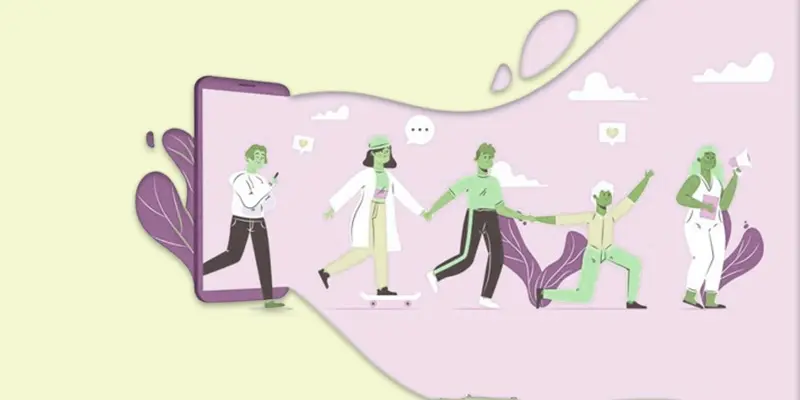
Social Media Affects Mental Health in both good and bad ways. It can connect people, but it can also cause stress, anxiety, and low self-esteem. The key is balance. Use social media wisely. Take breaks and focus on real life, too. Start today. Build healthy digital habits and protect your mental well-being. You’ve got this.
FAQs
How bad is social media addiction?
Social media addiction can harm mental health, causing stress, anxiety, and a lack of focus. It can also affect sleep and reduce real-life social interactions.
What connection exists between anxiety and social media use?
Overuse of social media can exacerbate anxiety by fostering tension, comparison, and negative thinking. Online pressure and continuous notifications may exacerbate it.
How to clean up social media?
Unfollow negative accounts, delete old posts, and adjust privacy settings. Follow positive content and limit screen time for a healthier experience.
What is the fear of social media?
The fear of social media is called social media anxiety. It happens when people feel stressed, pressured, or overwhelmed by online interactions.
Is it wise to delete social media?
Deleting social media can be helpful if it causes stress or distraction. However, a balanced approach, like taking breaks or limiting use, may work better.
What is the term for a social phobia?
Social anxiety disorder is another name for a social phobia. It is the fear of social rejection or embarrassment, including in online interactions.






- Be Respectful
- Stay Relevant
- Stay Positive
- True Feedback
- Encourage Discussion
- Avoid Spamming
- No Fake News
- Don't Copy-Paste
- No Personal Attacks
- Be Respectful
- Stay Relevant
- Stay Positive
- True Feedback
- Encourage Discussion
- Avoid Spamming
- No Fake News
- Don't Copy-Paste
- No Personal Attacks
