What is Cyber Security Awareness? | Easy Steps Every User Should Know
Published: 21 Nov 2025
Cybersecurity awareness is more important than ever. Studies show that over 90% of cyber attacks start with human error. Understanding basic online safety can protect both individuals and businesses from costly threats.
Are you confident your team knows how to spot phishing emails or malicious links? Many people feel unsure about cyber security awareness and struggle to follow safe online practices. Without proper guidance, even small mistakes can lead to big problems.
Every company faces risks from hackers, malware, and insider threats. Building cyber security awareness helps reduce these risks and ensures compliance with data protection rules. Simple training and consistent practices can make a huge difference for everyone.
What is Cyber Security Awareness?
Understanding how to keep secure online is known as cyber security awareness. It helps people recognize threats like phishing, malware, and hackers. Being aware protects your personal data and company information. Simple habits, like strong passwords and careful clicking, improve online safety.
Why Is Awareness of Cybersecurity Important?
Understanding cyber security is crucial because it protects sensitive data and keeps individuals and companies safe from internet dangers.
- Protects personal and company data from hackers and cyber attacks.
- Reduces the risk of phishing, malware, and other online threats.
- Helps employees follow rules and stay compliant with data protection laws.
- Builds a safer online culture and prevents costly mistakes.
- Empowers people to act quickly during security incidents.
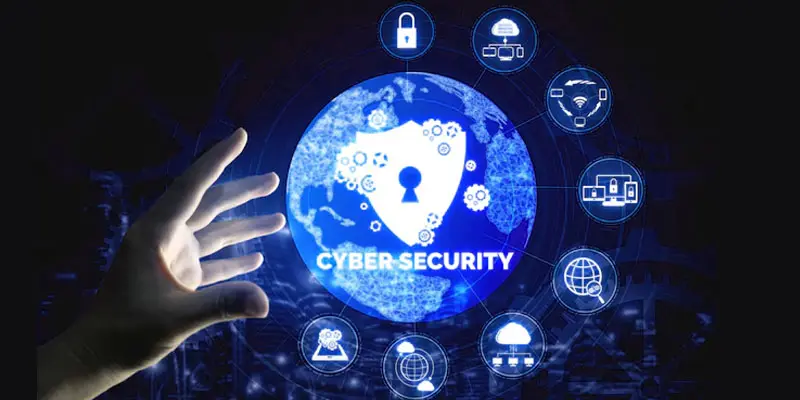
What are the Key Cyber Security Threats Everyone Should Know?
Knowing the key cyber security threats helps individuals and businesses stay protected from attacks and avoid data loss.
- Phishing
- Malware
- Insider Threats
- Password Attacks
- Ransomware
- Social Engineering
- Denial-of-Service (DoS) Attacks
- Man-in-the-Middle (MitM) Attacks
Malware
Malware is harmful software that can damage computers or steal information. It includes viruses, worms, and spyware. Malware can slow down your device, delete files, or track your activity without permission. Using antivirus software and avoiding suspicious downloads helps protect against malware.
Ransomware
Cybercriminals trick people using social engineering to get access to sensitive information. Hackers demand money to unlock your data. It can spread through emails, fake websites, or downloads. Regular backups and cautious online behavior help protect against ransomware attacks.
Insider Threats
Insider threats come from people within an organization, like employees or contractors. They may accidentally or deliberately misuse access to sensitive information, leading to data leaks, theft, or security breaches. Strong policies and regular training help reduce insider threats.
Social Engineering
Hackers use social engineering to deceive people into divulging private information. They use lies, fake messages, or pretend to be someone trustworthy. The goal is to steal passwords, money, or sensitive data. Being cautious and verifying requests can help prevent social engineering attacks.
Password Attacks
Hackers attempt to guess or steal your passwords using password attacks. They may employ methods such as phishing, brute force, or guesswork. They can access your accounts and private data if they are successful. These attacks can be avoided by using two-factor authentication and strong, one-of-a-kind passwords.
Denial-of-Service (DoS) Attack
A denial-of-service (DoS) attack occurs when hackers flood a system or website with excessive traffic. Because of this, people can either access it slowly or not at all. DoS attacks can disrupt businesses and services. Strong network protection and monitoring help prevent these attacks.
Man-in-the-Middle (MitM) Attack
A Man-in-the-Middle attack happens when a cybercriminal secretly positions themselves between two people’s communication to spy on or manipulate the exchange. They can steal information like passwords, messages, or credit card details. This often occurs on public Wi-Fi or unsecured networks. Using secure connections and encryption helps protect against MitM attacks.
Phishing
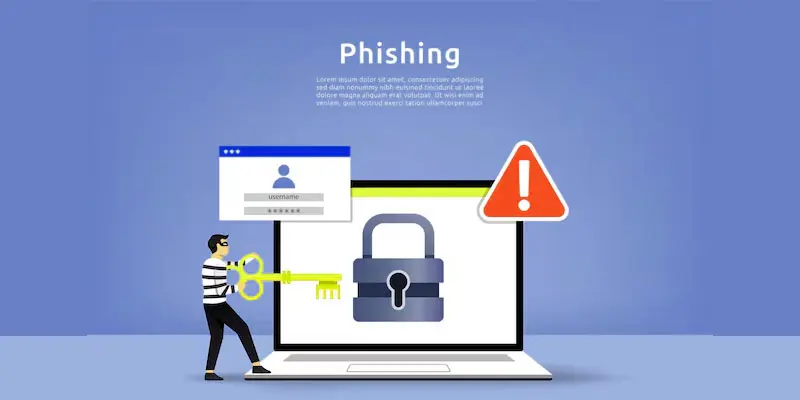
Phishing is a cyberattack where hackers trick people into sharing their personal or sensitive information. They frequently employ phony emails, messages, or websites that appear authentic. Stealing bank account information, passwords, and other private information is the aim. Being aware of and checking links carefully can prevent phishing attacks.
What are the Main Cyber Awareness Challenges?
Understanding the main cyber awareness challenges helps organizations address risks and improve online safety for everyone.
- Lack of employee knowledge about cyber threats.
- Human errors, such as clicking on suspicious links.
- Rapidly changing and evolving cyber threats.
- Limited resources for training and awareness programs.
- Low engagement or interest in security practices.
- Difficulty measuring the effectiveness of awareness efforts.
What is Cybersecurity Awareness Training?
Cybersecurity awareness training helps employees and individuals recognize online threats and learn how to respond safely. It helps them understand risks like phishing, malware, and social engineering.
The training usually includes real-life examples, practical tips, and simple rules for safe online behavior. It shows people how to protect personal and company data.
Regular training keeps everyone updated on new cyber threats. It also helps organizations stay compliant with data protection laws and build a strong security culture.
How Does Compliance Benefit from Cybersecurity Awareness?
Employees that are cyber security informed are better able to comprehend the laws and guidelines pertaining to data protection.When staff know how to handle sensitive information, companies can meet legal and regulatory requirements.
Awareness programs teach proper incident reporting and safe practices. This reduces the risk of breaches that could lead to fines or penalties.
Regular training also shows auditors that the organization takes compliance seriously. It builds a strong security culture and ensures everyone follows the right procedures.
What are the ISO 27001 Cyber Security Awareness Requirements?
ISO 27001 cyber security awareness requirements guide organizations to train employees and protect sensitive information effectively.
- Train employees on information security policies and procedures.
- Ensure staff understand their roles in protecting sensitive data.
- Conduct regular awareness sessions and refresher training.
- Include security practices in daily work routines.
- Promote reporting of security incidents and potential threats.
- Align training with the organization’s Information Security Management System (ISMS).
What are the requirements for NIS2 Cyber Security Awareness?
Organizations can train employees to safeguard networks, thwart attacks, and adhere to security regulations by implementing NIS2 cyber security awareness standards.
- Train employees on network and information system security.
- Ensure staff understand their roles in preventing cyber incidents.
- Promote safe practices for handling sensitive data.
- Encourage reporting of security threats and breaches.
- Conduct regular awareness sessions and updates on new risks.
- Align training with NIS2 Directive compliance standards.
How Do ISO 27001 and NIS2 Awareness Requirements Compare?
Comparing ISO 27001 and NIS2 awareness requirements helps organizations understand similarities and differences in training and compliance standards.
| ISO 27001 | NIS2 Directive |
|---|---|
| Information Security Management System (ISMS). | Network and Information Systems Security. |
| Organization-wide security policies. | Critical infrastructure and essential services. |
| Mandatory staff awareness training. | Mandatory employee training on cyber risks. |
| Defined procedures for reporting security incidents. | Requires reporting of significant incidents to authorities. |
| Audited as part of ISMS certification. | Enforced by national regulators. |
| Emphasizes identifying and managing risks. | Emphasizes prevention and response to network threats. |
| Regular refresher training and policy updates. | Continuous awareness on evolving threats and compliance rules. |
| Roles and responsibilities are clearly defined. | Staff responsible for reporting and maintaining security standards. |
How Can a Robust Cybersecurity Awareness Program Be Developed?
Organizations can train staff, lower risks, and establish a safe online workplace by developing a robust cyber security awareness program.
- Assess the current level of cyber security knowledge among employees.
- Identify key risks and common threats specific to your organization.
- Develop clear training materials and practical examples.
- Conduct regular training sessions and workshops.
- Test employees with simulations like phishing emails.
- Provide continuous updates on new threats and security practices.
- Encourage reporting of suspicious activities or incidents.
- Measure program effectiveness with KPIs and feedback.
- Review and improve the program regularly based on results.
- Promote a culture of security and accountability across the organization.
How to Measure Awareness and Compliance Readiness?
Measuring awareness and compliance readiness starts with tracking key performance indicators (KPIs). This includes training completion rates and participation in security programs. Regular assessments show how well employees understand cyber security practices.
Phishing simulations and practical tests help evaluate real-world readiness. Monitoring incident reporting habits reveals how quickly employees respond to potential threats. These activities highlight areas that need improvement.
Documenting evidence of training, policies, and responses is also essential. It demonstrates compliance during audits and regulatory checks. Regular review ensures the organization maintains a strong security culture and stays prepared for cyber risks.
How Can You Defend Yourself and Your Company Against Online Attacks?
To keep data secure and avoid expensive security breaches, you must defend your company and yourself against cyberattacks.
- Use a strong, distinct password for every account.
- Whenever you can, turn on two-step verification (2FA) for added protection.
- Update systems and software with the most recent security fixes.
- Don’t download unknown files or click on dubious websites.
- Conduct regular employee training on cyber security awareness.
- Back up important data regularly and securely.
- Monitor networks for unusual activity or potential threats.
- Implement firewalls and antivirus protection.
- Develop and follow an incident response plan.
- Encourage reporting of suspicious emails or activities promptly.

Final Thought
Programs for raising knowledge of cyber security are crucial for safeguarding organizational and personal data. I personally recommend starting with small, regular training sessions to build strong habits. Implementing a thorough cybersecurity awareness plan is the first step towards fortifying your defenses.
FAQS
Cybersecurity refers to defending data, networks, and computers from intrusions. Important points:
- Protects personal information
- Stops hacking attempts
- Secures emails
- Protects websites
- Prevents malware
- Keeps software safe
- Safeguards networks
- Monitors threats
- Responds to attacks
- Trains users to be aware
About 90% of cyber attacks happen because of human mistakes, like weak passwords, phishing emails, or careless clicks.
Yes, it is a high-demand career with good pay and many opportunities, as every company needs cyber security experts.
Not always, but basic coding knowledge helps, especially for analyzing threats, scripting, or automating tasks.
The hardest part is keeping up with new threats and constantly learning because hackers always find new ways to attack.
AI helps by detecting threats faster, analyzing large amounts of data, predicting attacks, and automating responses to protect systems.





- Be Respectful
- Stay Relevant
- Stay Positive
- True Feedback
- Encourage Discussion
- Avoid Spamming
- No Fake News
- Don't Copy-Paste
- No Personal Attacks
- Be Respectful
- Stay Relevant
- Stay Positive
- True Feedback
- Encourage Discussion
- Avoid Spamming
- No Fake News
- Don't Copy-Paste
- No Personal Attacks
