Network Security vs Cyber Security | Comparison Made Simple
Published: 25 Jan 2026
Cyber security vs network security is a common topic today. Online threats grow every day. Hackers target data, systems, and networks of all sizes.
Many users feel confused about cyber security vs network security. Both sound similar, but they work in different ways. This confusion often leads to weak protection and poor safety choices.
Small businesses and home users face real problems. Emails get hacked, Wi-Fi gets attacked, and data gets stolen. Learning cyber security vs network security helps you stay safe and confident.
Cyber Security
Cyber security means protecting computers, data, and online accounts from attacks. It keeps systems safe from hackers, viruses, and data theft. Example: Using antivirus software to protect your laptop from harmful files.
Network Security
Network security means protecting your internet and computer networks from unauthorized access. It stops hackers from entering and keeps data safe while moving online. Example: Using a strong Wi-Fi password and a firewall to protect your office network.
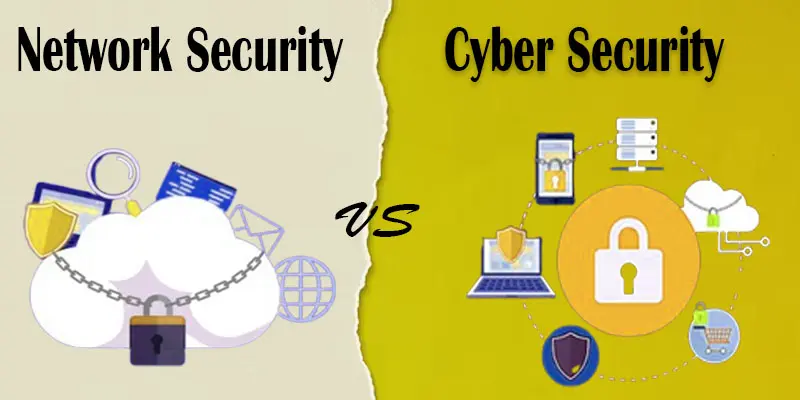
What are the Differences Between Cyber Security and Network Security?
While both network security and cyber security safeguard digital systems, network security concentrates on connections and networks, whereas cyber security concentrates on data and devices.
| Cyber Security | Network Security |
|---|---|
| Protects computers, data, and online accounts. | Protects networks and connections. |
| Using antivirus to protect a laptop. | Using firewall to secure office Wi-Fi. |
| Data, apps, systems. | Network traffic and access. |
| Wide (entire digital space). | Narrow (network layer). |
| Prevent data theft and cyber attacks. | Prevent unauthorized network access. |
| Malware, phishing, ransomware. | Unauthorized access, DoS attacks. |
| Antivirus, encryption, anti-malware. | Firewall, VPN, access control. |
| Both personal and business. | Mostly business or organizational networks. |
| Protect systems before attacks. | Control network entry and traffic. |
| Tracks system activity and threats. | Monitors network traffic and devices. |
| Online, email, web. | Network-based attacks. |
| High if unprotected. | Medium, depends on network structure. |
| Cyber security software updates. | Network monitoring and firewall software. |
| Laptops, servers, mobile devices. | Routers, switches, servers. |
| Broad (all digital assets). | Limited to network pathways. |
| GDPR, HIPAA, ISO. | ISO 27001, NIST network standards. |
| Real-time alerts, scanning. | Network intrusion detection systems (IDS). |
| Backup and restore systems. | Network failover, redundancy. |
| Educates users about safe practices. | Trains staff on secure network use. |
| Can be higher due to wide coverage. | Moderate, depends on network size. |
| Works across devices and platforms. | Works within network infrastructure. |
| Regular updates, patches. | Regular firewall and router checks. |
| Protecting online banking accounts. | Securing office Wi-Fi from hackers. |
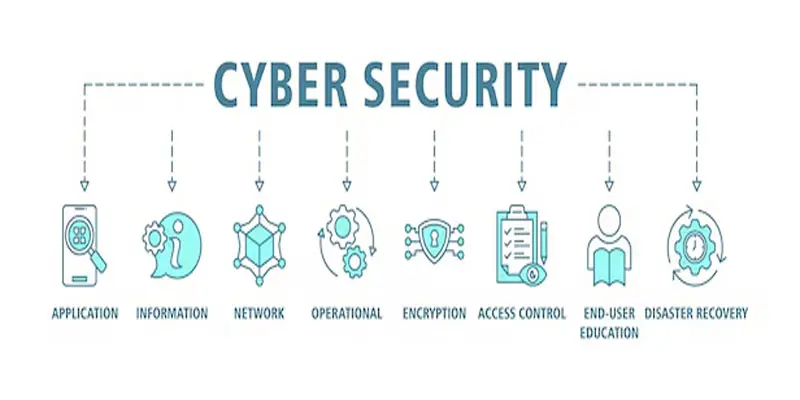
What are the Pros and Cons of Cyber Security and Network Security?
You can select the best protection for your data and networks by being aware of the benefits and drawbacks of network and cyber security.
What are the Pros of Cyber Security?
- Protects data, devices, and online accounts from hackers.
- Prevents malware, phishing, and ransomware attacks.
- Builds trust with customers and users.
- Keeps personal and business information safe.
- Supports compliance with laws and regulations.
What are the Cons of Cyber Security?
- Can be expensive for small businesses.
- Requires regular updates and monitoring.
- May need technical knowledge to manage.
- Over-reliance on software may create false security.
What are the Pros of Network Security?
- Secures Wi-Fi, routers, and internal networks.
- Stops unauthorized access and network attacks.
- Helps maintain smooth network performance.
- Supports safe communication between devices.
- Can be scaled for small or large networks.
What are the Cons of Network Security?
- Focuses only on networks, not all devices.
- Needs constant monitoring and maintenance.
- May slow network speed if over-protected.
- Can be costly for advanced setups.
How Do Network Security and Cybersecurity Interact?
To safeguard digital systems, network security and cyber security collaborate. While cyber security focuses on data, software, and devices, network security protects the pathways that connect them.
Together, they stop hackers, viruses, and unauthorized access. Using both ensures that your information and networks stay safe at the same time.
How Do You Know Which One You Need?
Choosing between cyber and network security depends on your needs, the size of your system, and the type of protection you require.
What Security Do Small Businesses or Home Users Need?
- Focus on basic cyber security like antivirus and strong passwords.
- Secure Wi-Fi and simple network protection are enough.
- Protects important data and devices from common threats.
What Security Do Large Businesses or Organizations Need?
- Use both cyber security and network security together.
- Implement firewalls, VPNs, and monitoring systems.
- Provides full protection for networks, devices, and sensitive data.
What Tips Can Help You Decide?
- Assess your data and network risks.
- Check the size of your system and the number of users.
- Start with basic protection and scale as needed.
What are the Common Security Threats You Should Know?
Being aware of the common security threats helps you protect your data, devices, and networks from hackers and cyber attacks.
- Malware
- Phishing
- Ransomware
- Spyware
- Trojan horse
- Denial of Service (DoS) attacks
- Man-in-the-Middle (MitM) attacks
- SQL Injection
- Password attacks
- Insider threats
- Malware: Malware is software that causes trouble on your computer and can steal your private information.
- Phishing: Phishing is the term for phony emails or texts that attempt to obtain your personal data.
- Ransomware: A virus that locks your files and asks for money to unlock them.
- Spyware: Software that secretly watches what you do on your device.
- Trojan Horse: A program that looks safe but secretly harms your system.
- Denial of Service (DoS) attacks: Overload a website or network so it stops working.
- Man-in-the-Middle (MitM) attacks: A hacker secretly intercepts your online communication.
- SQL Injection: A hacker tricks a website into accessing its database.
- Password attacks: Attempts to guess or steal your passwords.
- Insider threats: Harm caused by someone inside your organization.
What are Simple Tips to Improve Security?
Following simple security tips can help you protect your data, devices, and networks from hackers and cyber attacks.
- Use strong and unique passwords for all accounts.
- Keep software and apps updated regularly.
- Enable two-factor authentication (2FA).
- Secure your Wi-Fi with a strong password.
- Avoid clicking on suspicious links or emails.
- Install trusted antivirus or anti-malware software.
- Back up important data regularly.
- Limit access to sensitive information.
- Educate yourself and staff about online safety.
- Monitor accounts and networks for unusual activity.

Final Thought
The Network security vs cyber security debate is crucial for every business today. From my experience, focusing on both aspects together strengthens your defenses and reduces risks significantly. Review your security procedures immediately and take steps to safeguard your data instead of waiting for a breach to occur.
FAQS
Both are important. Network security protects your computers and data inside a network, while cyber security protects against all online threats. You need both for full protection.
Yes, network security is a part of cyber security. It focuses on protecting networks, while cyber security covers all digital threats.
Yes, many network professionals switch to cyber security. Networking knowledge helps a lot in understanding cyber threats.
Another name is information security or IT security.
One area of information technology (IT) is cyber security.
They are called a cyber security analyst, specialist, or professional.






- Be Respectful
- Stay Relevant
- Stay Positive
- True Feedback
- Encourage Discussion
- Avoid Spamming
- No Fake News
- Don't Copy-Paste
- No Personal Attacks
- Be Respectful
- Stay Relevant
- Stay Positive
- True Feedback
- Encourage Discussion
- Avoid Spamming
- No Fake News
- Don't Copy-Paste
- No Personal Attacks
