Cybersecurity vs Cloud Computing | Key Differences
Published: 18 Sep 2025
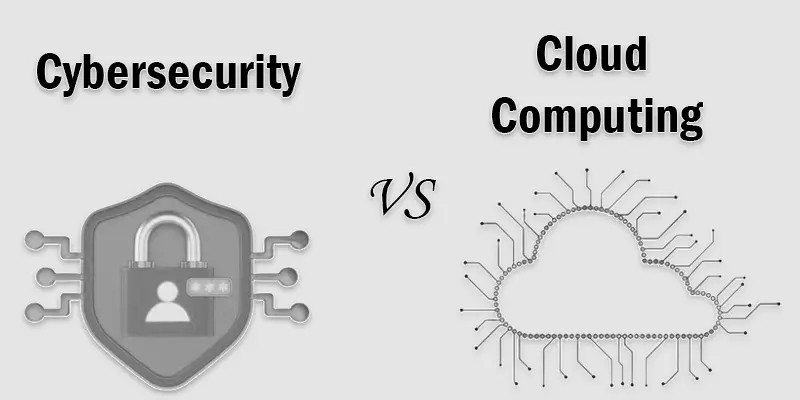
Technology is growing fast, and two of the hottest fields in IT today are cybersecurity and cloud computing. Both play a big role in how companies work and keep data safe. Cloud computing makes it easy to store, manage, and use data over the internet. On the other hand, cybersecurity protects this data from hackers and attacks.
Many students and professionals often ask: Which career is better, cybersecurity or cloud computing? In this blog, we will break down both fields in simple words, show their similarities, differences, and career opportunities.
Cybersecurity
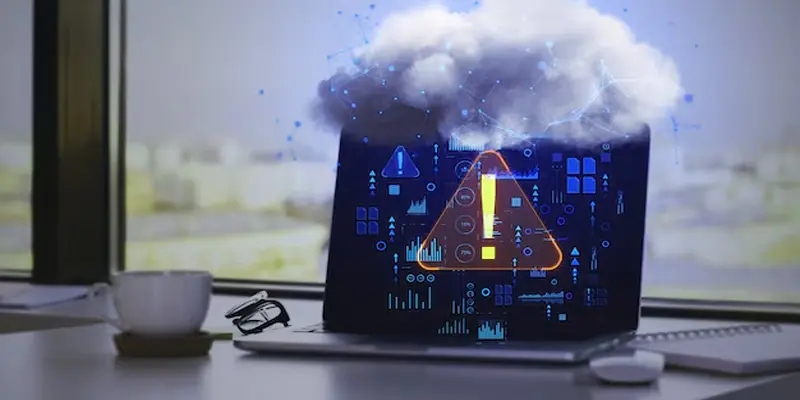
The practice of defending computers, networks, and data against internet attacks is known as cybersecurity. Hackers, malware, and even scams are examples of these dangers. In simple words, cybersecurity works like a lock and alarm system for your digital world.
For example, when you see a warning about a suspicious login on Facebook, that’s cybersecurity in action. It alerts you that someone may be trying to break into your account.
What are the Types of Cybersecurity?
There are six main types:
- Network Security – Protects networks from attacks like hackers or malware.
- Information Security – Keeps data safe from unauthorized access.
- Application Security – Makes sure apps and software are secure from bugs or attacks.
- Cloud Security – Protects data stored in cloud platforms.
- Endpoint Security – Secures devices like laptops, phones, or tablets.
- Operational Security – Focuses on rules and controls for safe handling of data.
Cybersecurity vs Cloud Computing | The Core Difference
| Cybersecurity | Cloud Computing |
|---|---|
| Protects data and systems | Stores and manages data online |
| Security and threat prevention | Flexibility and accessibility |
| Stops hackers, malware, and attacks | Provides apps, storage, and computing power |
| Firewalls, antivirus, encryption | AWS, Azure, Google Cloud |
| Network security, threat detection | Cloud platforms, data management |
| Safe and secure systems | Fast, scalable, and easy-to-use systems |
| Blocking a hacker from stealing info | Storing files on Google Drive |
| Requires cloud and other systems | Needs cybersecurity for protection |
| IT security teams | Businesses and end-users |
| High demand due to online threats | High demand due to cloud adoption |
| Security analyst, ethical hacker | Cloud engineer, cloud architect |
| High if unprotected | Risk if not secured by cybersecurity |
| Focus on safety | Focus on efficiency |
| Protecting bank data | Running apps like Netflix or Gmail |
| Prevents data loss or theft | Enables digital transformation |
What are the Similarities Between Cybersecurity and Cloud Computing?
At first glance, cybersecurity and cloud computing may look very different. But if you look closer, they share many things in common.
Both Focus on Data
- Cloud computing stores and manages data.
- Cybersecurity protects data from being stolen or lost.
Both Need Strong Security
- Cloud systems need protection from hackers.
- Cybersecurity provides that protection.
Both Are in High Demand
- Companies use cloud computing every day for work.
- The same companies also hire cybersecurity experts to keep systems safe.
Both Require Skilled Professionals
- Cloud experts set up and manage cloud platforms.
- Cybersecurity experts design defense systems and monitor threats.
What are the Key Cloud Security Challenges?
Cloud computing is powerful, but it also comes with risks. Since everything is stored online, attackers often target cloud systems.
Data Breaches
- Hackers may steal sensitive data stored in the cloud, like customer details or business files.
Data Loss
- If the cloud system fails or is attacked, important files may get lost or damaged.
Insecure Access
- Weak passwords or poor access control can let the wrong people into cloud accounts.
Misconfiguration
- If the cloud setup is done incorrectly, it can open doors for cyberattacks.
Shared Resources
- Public clouds are used by many users. If one account gets hacked, it may affect others, too.
How are Cybersecurity and Cloud Computing Interdependent?
Cloud computing and cybersecurity are not separate. They depend on each other to work well. Without cybersecurity, cloud platforms are unsafe. Without the cloud, many cybersecurity tools cannot run smoothly.
How They Work Together
- Cloud needs protection – Cloud services store sensitive data, so they must be secured with strong cybersecurity methods.
- Cybersecurity uses the cloud – Many security tools now run on the cloud to monitor, detect, and stop threats in real time.
Real-Life Examples
- A bank may use cloud computing to manage online transactions. At the same time, cybersecurity ensures that hackers cannot steal customers money.
- A school may store student data in the cloud. Cybersecurity protects that data from leaks or misuse.
What Skills are Required in Both Cybersecurity and Cloud Computing?
You need the right skills. Both cybersecurity and cloud computing require technical knowledge and problem-solving ability.
Skills for Cloud Computing
- Cloud Platforms – Knowledge of AWS, Microsoft Azure, or Google Cloud.
- Networking Basics – Understanding how data moves between systems.
- Virtualization – Running multiple systems on one physical machine.
- Data Management – Handling, storing, and moving data safely.
- Problem-Solving – Finding and fixing issues in cloud setups.
Skills for Cybersecurity
- Threat Detection – Spotting suspicious activity quickly.
- Network Security – Protecting systems from hackers and malware.
- Encryption – Keeping data safe with codes and keys.
- Incident Response – Acting fast when a cyberattack happens.
- Ethical Hacking – Testing systems to find weak points before hackers do.
Overlapping Skills
- Both need strong analytical thinking.
- Both need basic coding skills to work with systems.
- Both require constant learning because technology keeps changing.
How Can You Build a Career in Cloud Computing?
Cloud computing is one of the fastest-growing fields in IT. Companies around the world need experts to manage their cloud systems.
What a Cloud Computing Expert Does
- Sets up and manages cloud platforms like AWS, Azure, or Google Cloud.
- Monitors cloud systems to ensure they run smoothly.
- Fixes problems and optimizes performance.
- Works with data storage, apps, and network systems.
Benefits of a Career in Cloud Computing
- High Demand – Many companies are moving to the cloud.
- Good Salary – Cloud professionals earn competitive pay.
- Flexibility – Work can be remote or from the office.
- Career Growth – Opportunities to become a cloud architect, engineer, or consultant.
Job Roles in Cloud Computing
- Cloud Engineer – Builds and manages cloud systems.
- Cloud Architect – Designs the overall cloud infrastructure.
- DevOps Engineer – Works with development and IT teams to deploy apps.
- Cloud Consultant – Advises companies on cloud strategies.
How Can You Build a Career in Cybersecurity?
Cybersecurity is a critical field because every business needs protection from online threats. Skilled professionals are always in demand.
What a Cybersecurity Expert Does
- Monitors networks and systems for suspicious activity.
- Prevents hackers and malware from stealing or damaging data.
- Responds to security incidents quickly to minimize damage.
- Test systems for weaknesses and fix vulnerabilities.
Benefits of a Career in Cybersecurity
- High Demand – Companies, banks, and governments need security experts.
- Good Salary – Cybersecurity professionals earn strong pay.
- Job Security – Digital threats are always growing, so demand stays high.
- Career Growth – You can become a security analyst, ethical hacker, or security architect.
Job Roles in Cybersecurity
- Security Analyst – Monitors and protects networks.
- The Ethical Hacker – tests systems to identify weaknesses.
- Architect for Security – creates safe systems and networks.
- Responder to the Incident – Acts fast during cyberattacks to stop damage.
Cybersecurity vs Cloud Computing | Which Is the Better Career?
Both cybersecurity and cloud computing offer strong career opportunities. The best choice depends on your skills, interests, and goals.
Job Demand
- Cloud computing is growing as more businesses move online.
- Cybersecurity is growing because online threats are increasing.
- Both fields have high demand and low unemployment.
Salary
- Cloud professionals earn well, especially in roles like cloud architect or engineer.
- Cybersecurity experts also earn strong pay, particularly in roles like ethical hacker or security architect.
Skills & Interests
- Choose cloud computing if you enjoy building systems, managing data, and working with software platforms.
- Choose cybersecurity if you enjoy protecting systems, finding problems, and stopping hackers.
Career Growth
- Both fields offer promotions and specialization opportunities.
- You can start in one field and switch to the other because of overlapping skills.
What is the Future of Cybersecurity and Cloud Computing?
The future of IT will rely heavily on cloud computing and cybersecurity. Both fields are growing fast and becoming more important every year.
Trends Driving Growth
- Increased Cloud Adoption – Businesses are moving more apps and data online. This creates jobs for cloud experts.
- Rising Cyber Threats – Hackers are becoming more advanced, so cybersecurity demand is growing.
- AI and Automation – Both fields are using AI to manage systems and detect threats faster.
- Remote Work – Cloud and security solutions are crucial for employees working from anywhere.
Opportunities Ahead
- Cloud computing professionals may work on hybrid and multi-cloud systems.
- Cybersecurity experts will focus on advanced threat detection and protecting sensitive data.
- Professionals skilled in both fields are highly valued.
Conclusion
Both cybersecurity and cloud computing are exciting and growing fields in IT. Cloud computing helps businesses store and manage data efficiently, while cybersecurity keeps that data safe from threats.
Choosing the right career depends on your interests:
- If you enjoy building and managing systems, cloud computing is a great choice.
- If you enjoy protecting data and stopping hackers, cybersecurity is the way to go.
Many skills overlap, so you can switch between fields in the future. Both careers offer high demand, good salaries, and growth opportunities.
FAQS
What is the hardest field in cybersecurity?
Penetration testing and ethical hacking are considered tough. They require strong problem-solving and constant learning. Some specialized security areas, like malware analysi,s are also challenging.
What are the top 3 trends in cybersecurity?
AI-powered threat detection. 2. Cloud security. 3. Remote work security. These are shaping the future of the field.
Is cybersecurity a dead field?
No, it is far from dead. Cyber threats are increasing every year. Skilled professionals are always needed.
Who is the king of cybersecurity?
There’s no single “king,” but leaders like Kevin Mitnick are famous in the field. Top companies also lead in technology and innovation.
Which institute is best for cybersecurity in the world?
MIT, Stanford, and Carnegie Mellon are top-ranked. They offer world-class programs and research opportunities.






- Be Respectful
- Stay Relevant
- Stay Positive
- True Feedback
- Encourage Discussion
- Avoid Spamming
- No Fake News
- Don't Copy-Paste
- No Personal Attacks
- Be Respectful
- Stay Relevant
- Stay Positive
- True Feedback
- Encourage Discussion
- Avoid Spamming
- No Fake News
- Don't Copy-Paste
- No Personal Attacks
