Cloud Computing vs Data Center | Key Differences Explained
Published: 1 Sep 2025
Every business today depends on data. From small shops to big companies, data helps run daily operations and supports decision-making. But where should this data live, in a traditional data center or in the cloud?
A data center is like a physical warehouse where servers, storage, and networking equipment keep your data safe. On the other hand, cloud services offer storage and computing power through the internet, without needing heavy hardware on-site. In this guide, we’ll explore what data centers and cloud computing are, how they differ, their pros and cons, and which option may be the right choice for your business.
How Can You Understand Data Centers Easily?
A data center is a special facility where computers, servers, and storage systems are kept to manage and protect data. Think of it as a digital warehouse that stores information and makes it available whenever businesses need it.
History and Evolution
In the past, companies used small computer rooms with just a few servers. Over time, as the need for faster and bigger storage grew, modern data centers were built with advanced networking, cooling, and security systems.
The Value of Information Centers
The foundation of the modern digital world is data centers. They support websites, mobile apps, online shopping, banking, and even social media. Without them, the internet as we know it would not exist.
Important Elements Inside a Data Center
- Servers – strong computers that can process and store data.
- Systems for storing – devices that keep large amounts of information.
- Networking equipment – routers and switches that connect systems.
- Power and cooling – to keep machines running safely.
- Security systems – to protect data from attacks or theft.
How Can You Explore Cloud Computing?
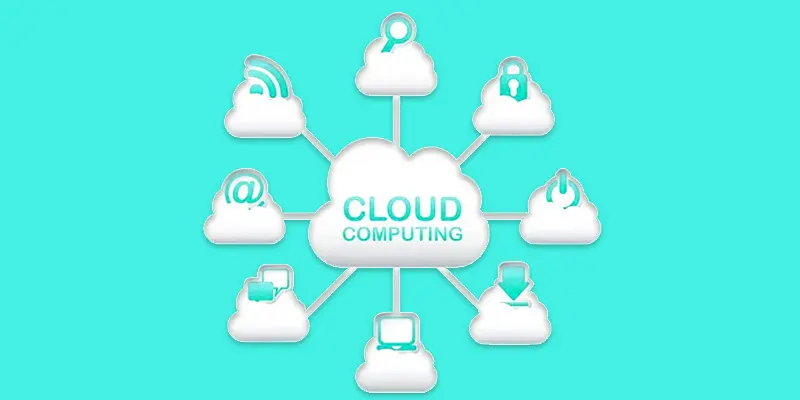
Instead of storing data on local servers or personal computers, cloud computing uses the internet to store, manage, and process data. In simple words, it’s like renting powerful computers and storage from a provider instead of buying and maintaining your own.
What is a Cloud Data Center?
A cloud data center is not tied to one physical location. Instead, it is a network of servers spread across different places, all connected through the internet. Companies like Amazon (AWS), Microsoft (Azure), and Google (GCP) run huge cloud data centers to provide services worldwide.
Cloud Storage Services Explained
Cloud storage lets you keep files and data online so you can access them anytime and anywhere. A common example is Google Drive or Dropbox, where users upload files without worrying about physical hardware. Businesses also use advanced cloud storage for backups, apps, and big data.
Advantages of Cloud Computing
- Cost savings – no need to buy expensive hardware.
- Scalability – easily add more storage or power when needed.
- Flexibility – work from anywhere with internet access.
- Automatic updates – providers handle maintenance and upgrades.
- Data backup – protects against data loss or damage.
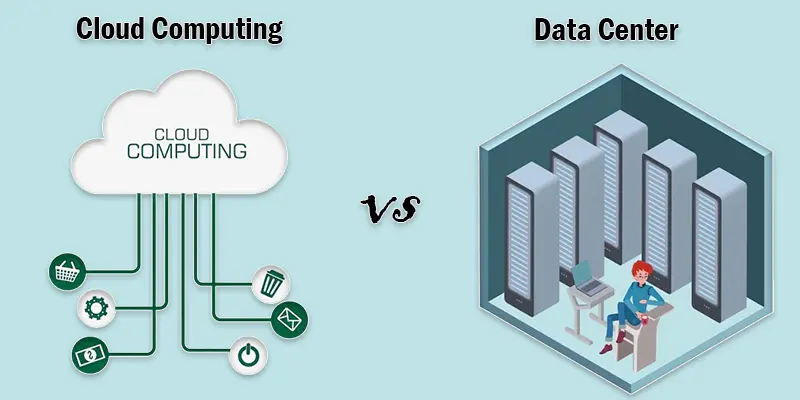
How Do Cloud Data Centers Compare to On-Premises Data Centers?
When businesses think about storing and managing data, they often compare on-premises data centers with cloud data centers. Both offer advantages and disadvantages, and your company’s needs will determine which option is best for you.
An on-premises data center: what is it?
A physical configuration within a business’s own facility is known as an on-premises data center. The business buys and manages the servers, storage, power supply, cooling, and security.
- Pros: Full control, better customization, and strict data security.
- Cons: Very expensive to build, maintain, and upgrade.
What is a Cloud Data Center?
AWS, Microsoft Azure, and Google Cloud are examples of third-party providers that manage cloud data centers. The data is stored in their facilities and delivered to you through the internet.
- Pros: Lower cost, quick setup, scalability, and access from anywhere.
- Cons: Less control, depends on internet connectivity, and shared responsibility for security.
How Can You See the Key Differences Quickly?
| On-Premises Data Center | Cloud Data Center |
|---|---|
| Owned and managed by business | Managed by cloud provider |
| High upfront + ongoing maintenance | Pay-as-you-go pricing |
| Limited, requires new hardware | Flexible and instant |
| Full control over hardware and data | Limited control, provider manages most |
| Company handles all security | Shared responsibility with provider |
Which Solution Is Right for Your Needs?
Deciding between a data center and the cloud is not always easy. Your company’s size, financial constraints, and security requirements will determine the best option.
Factors to Consider
- Cost – Cloud works on a pay-as-you-go basis, while on-premises needs big upfront investment.
- Control – On-premises gives you full control, while cloud relies on the provider.
- Scalability – Cloud scales up or down instantly, on-premises requires new hardware.
- Security & Compliance – Businesses with strict data laws may prefer on-premises, while cloud offers shared responsibility.
- Flexibility – Hybrid models give you a mix of both for balance.
Conclusion
Data is the heart of every business today, and choosing where to keep it is a big decision. On-premises data centers give full control and strong security but come with high costs and maintenance. Cloud data centers offer flexibility, scalability, and cost savings, but require trust in the provider’s security model. A hybrid approach can bring the best of both worlds. Your budget, regulatory requirements, and business objectives will all influence the best option. Whether you go with cloud, on-premises, or hybrid, make sure you work with a trusted partner to keep your data safe, reliable, and always available.
FAQS
What is the difference between cloud computing and data center?
A data center is a physical place with servers, storage, and networking equipment. Without requiring hardware on-site, cloud computing provides computing services via the internet. In short, a data center is the hardware, while the cloud is the service built on that hardware.
What is the difference between a cloud region and data center?
A data center is a single facility where servers are kept. A cloud region is a group of data centers in a specific location that work together to provide services. Regions help ensure better speed, reliability, and disaster recovery.
Are data centers used in cloud computing?
Indeed, cloud providers like AWS, Azure, and Google Cloud run enormous data centers. These data centers store and manage all the data and applications you access online. So, the cloud relies on physical data centers behind the scenes.
What is the difference between cloud computing and data?
Data is raw information like files, images, or numbers. Cloud computing is the service that stores, manages, and processes that data online. The cloud helps you access and use data anywhere, anytime.
Which is better, Big Data or cloud computing?
Big Data is about analyzing large amounts of information. Cloud computing is the platform or service where you store and process data. They are not competitors; cloud computing often supports Big Data processing efficiently.




- Be Respectful
- Stay Relevant
- Stay Positive
- True Feedback
- Encourage Discussion
- Avoid Spamming
- No Fake News
- Don't Copy-Paste
- No Personal Attacks
- Be Respectful
- Stay Relevant
- Stay Positive
- True Feedback
- Encourage Discussion
- Avoid Spamming
- No Fake News
- Don't Copy-Paste
- No Personal Attacks
