What is the Cyber Security? Simple Guide for Beginners
Published: 23 Apr 2026
Have you ever received an odd email asking for your password? Or read news about hackers getting access to people’s bank accounts? It can be frightening, right? Today, a big part of our everyday life takes place on the internet. We shop, study, work, and even pay bills on the internet. But cybercriminals are also active. They try to steal data, money, and personal information every single day. This is where cybersecurity becomes important.
Cybersecurity protects your devices, networks, and data from online attacks. Without it, your private photos, passwords, and bank details can fall into the wrong hands. Small businesses lose millions because of weak security. Even students and home users face risks like phishing, malware, and identity theft. The good news? You can stay safe.
In this guide, you will clearly understand what cybersecurity is, how it works, and why it matters in daily life. You will also learn simple ways to protect yourself online. By the end, you will feel more confident using the internet without fear. Let’s make your digital life safer and smarter.
What is Cybersecurity? (Meaning & Definition)
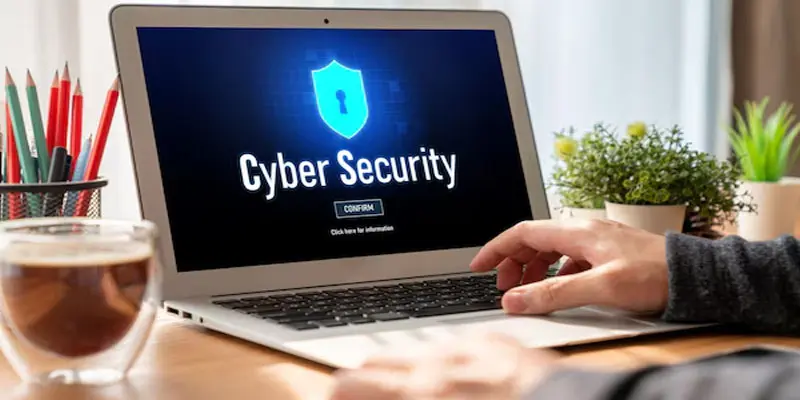
Cybersecurity means protecting your computers, mobile phones, networks, and data from online attacks. It keeps hackers away from your personal information like passwords, bank details, and photos. In simple words, cybersecurity is digital protection. For example, when you use a strong password or install antivirus software, you practice cybersecurity. It also includes tools like firewalls, encryption, and two-factor authentication. Cybersecurity helps prevent cyber threats such as hacking, phishing, malware, and identity theft. It keeps your online life safe, secure, and private.
Why is Cybersecurity Important?
Cybersecurity is important because it protects your personal data and keeps your online activities safe from cyber threats.
- It protects sensitive information like passwords, bank details, and ID numbers.
- It prevents hacking, phishing, and malware attacks.
- It keeps your money safe during online banking and shopping.
- It protects businesses from data breaches and financial loss.
- It keeps your social media accounts secure from identity theft.
- It builds trust when you use websites and digital services.
What are the Best Cyber Safety Tips to Protect Yourself Against Cyberattacks?
Staying safe online requires good cybersecurity habits. Following essential best practices can protect your personal data, devices, and accounts from hackers and cyber threats. Here are 10 simple and effective tips for beginners:
- Use Strong Passwords: Create long, unique passwords with letters, numbers, and symbols. Avoid easy passwords like “123456.”
- Enable Two-Factor Authentication (2FA): Adds an extra step to verify your identity when logging in.
- Keep Software Updated: Regular updates fix security vulnerabilities in apps and operating systems.
- Install Antivirus and Anti-Malware: Protects your devices from malicious software.
- Be Careful with Emails and Links: Avoid clicking unknown links or downloading attachments from strangers.
- Use Secure Wi-Fi Networks: Avoid public Wi-Fi for sensitive tasks like online banking.
- Backup Your Data: Regularly save important files to the cloud or an external drive.
- Limit Personal Information Online: Share only necessary details on social media or websites.
- Monitor Accounts Regularly: Check bank, email, and social media accounts for suspicious activity.
- Educate Yourself About Cyber Threats: Stay aware of phishing, ransomware, and other online risks.
How Does Cyber Security Work?
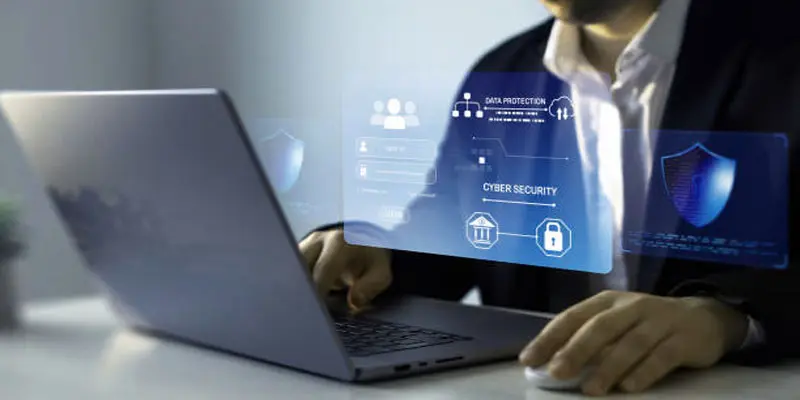
Cybersecurity works by protecting your devices, networks, and data from online threats. It uses tools and strategies to keep hackers and malware away. For example, firewalls block unauthorized access, while antivirus software detects and removes harmful programs.
Encryption protects your sensitive data, like passwords and bank details, by turning it into secure codes. Two-factor authentication gives your account an extra security step during login. Regular updates and safe browsing habits also help. Together, these steps make your online activities safer and protect your personal and business information from cyberattacks.
What are the Different Types of Cybersecurity Threats?
Cyber security threats are harmful actions or attacks that target your devices, data, or online accounts. They can steal personal information, money, or even damage your system. Understanding the types of threats helps you stay safe online. Here are the most common ones:
- Malware
- Phishing
- Ransomware
- Man-in-the-Middle (MitM) Attacks
- Denial-of-Service (DoS) Attacks
- Identity Theft
- Spyware and Adware
Malware
Malware refers to dangerous programs that can attack or disrupt your device. Examples include viruses, worms, and spyware. For instance, a fake app can secretly track your activity or delete files.
Phishing
Phishing attacks trick you into giving personal information like passwords or credit card numbers. A common example is an email pretending to be from your bank asking you to log in.
Ransomware
This malware secures your files with a lock and asks you to pay to regain access. For example, some hackers lock important work documents until you pay a ransom.
Man-in-the-Middle (MitM) Attacks
Hackers intercept your data during online communication. For example, public Wi-Fi without encryption can let attackers see your messages or login credentials.
Denial-of-Service (DoS) Attacks
These attacks overload a website or network, making it unavailable. Businesses can lose customers and money during such attacks.
Identity Theft
Hackers take your personal data and use it for illegal activities. They might open bank accounts or make purchases in your name.
Spyware and Adware
Spyware secretly tracks your online activity, while adware shows unwanted ads. Both can slow down devices and risk privacy.
What are the Advantages and Disadvantages of Cybersecurity?
Cybersecurity helps protect your devices, data, and online accounts from hackers and cyber threats. However, like everything, it has both benefits and limitations. Here’s a simple breakdown for beginners:
Advantages of Cybersecurity:
- Protects Personal Data: Keeps passwords, bank details, and personal information safe from hackers.
- Prevents Cyberattacks: Blocks malware, phishing, ransomware, and other online threats.
- Supports Safe Online Transactions: Makes online shopping and banking secure.
- Maintains Business Reputation: Businesses avoid data breaches and build customer trust.
- Enhances Privacy: Protects emails, social media accounts, and sensitive information.
Disadvantages of Cybersecurity:
- High Costs: Advanced security tools and software can be expensive for individuals or small businesses.
- Complex to Manage: Requires updates, monitoring, and technical knowledge to stay effective.
- False Sense of Security: Users may rely too much on tools and ignore safe online habits.
- System Slowdowns: Some antivirus or firewall programs can slow down devices.
What is the Impact of a Cyberattack?
A cyberattack can cause serious problems for individuals and businesses. Hackers can steal personal information, money, and sensitive data. For example, a bank account can be emptied, or private emails can be leaked. Businesses may face financial loss, reputation damage, and downtime if their systems are attacked. Cyberattacks can also spread malware or ransomware, locking important files until a ransom is paid. Even small attacks can cause stress and anxiety. Staying aware, using strong passwords, and updating software regularly helps reduce the risk and impact of cyberattacks.
What are the Parts of Cybersecurity?
Cybersecurity is not just one tool or action. It is made up of different parts that work together to protect your data, devices, and networks from cyber threats. Understanding these parts helps you stay safe online. Here are the main parts of cybersecurity explained simply:
- Network Security: This part protects the data traveling through your network. Firewalls, routers, and intrusion detection systems stop hackers from accessing your system. For example, a company uses a secure network to prevent unauthorized access to its servers.
- Information Security: Focuses on protecting sensitive data like personal details, financial information, or business secrets. Encryption is often used so that even if data is stolen, it cannot be read easily.
- Application Security: Ensures software and apps are safe from attacks. Developers add security features during coding. For example, online banking apps use strong security to protect user accounts.
- Endpoint Security: Protects individual devices like computers, phones, and tablets. Antivirus software and device monitoring help prevent malware or unauthorized access.
- Operational Security (OpSec): Covers policies and procedures to protect data. It includes who can access certain information and how it is handled. For instance, companies may restrict sensitive files to only certain employees.
- Cloud Security: Protects information saved on cloud platforms. Strong passwords, encryption, and secure cloud platforms prevent data leaks.
- Disaster Recovery & Business Continuity: Plans for recovering data and systems if a cyberattack occurs. This helps businesses resume operations quickly after an attack.
- User Education: The human part of cybersecurity. Teaching people to recognize phishing emails, use strong passwords, and follow safe practices reduces risk significantly.
What are the Cyber Security Trends in 2026?
Cyber security is changing fast. In 2026, key trends will focus on stronger protection for data and devices.
- AI Security Tools – AI will help detect attacks faster. For example, banks use AI to spot fraud.
- Cloud Security – More businesses use the cloud, so protecting cloud data is crucial.
- Zero Trust Networks – Only verified users can access systems, reducing risks.
- IoT Protection – Smart devices need security to avoid hacks.

Final Thoughts
Cybersecurity protects your data, devices, and online identity from cyber threats. It includes network security, information security, and data protection tools like encryption and authentication. These steps keep hackers away and protect your privacy. When you understand cybersecurity basics, you reduce the risk of cyber attacks, malware, and identity theft. You stay safe at home and at work. Start today. Use strong passwords. Enable two-factor authentication. Update your software regularly. Small actions create strong digital protection. Your online safety is in your hands. Stay aware, stay secure, and take control of your digital world.
FAQs
What skills are required for cyber security?
You need technical, analytical, and problem-solving skills for cyber security. Key abilities include network security, risk assessment, incident response, and knowledge of security tools. Strong attention to detail and critical thinking help you protect data and prevent cyber attacks effectively.
What are 5 technical skills?
Five essential technical skills are network security, cloud computing, ethical hacking, coding, and malware analysis. These skills help beginners and professionals detect threats, secure systems, and handle cyber attacks confidently, making them highly valuable in today’s cyber security industry.
Do I need coding for cyber security?
Yes, basic coding knowledge is important in cyber security. Languages like Python, JavaScript, or SQL help you automate tasks, analyze malware, and strengthen system defenses. Even simple coding skills can give you confidence and make your work more effective in protecting networks.
Which type of cyber security is in demand?
Network security, cloud security, and application security skills are in great demand today. Businesses need experts to protect sensitive data and prevent attacks. Focusing on these areas increases your career opportunities and helps you build valuable, future-proof skills in cyber security.
Why do people quit cybersecurity?
People often quit cyber security due to high stress, long hours, or fast-changing technologies. Lack of proper training and work-life balance can also cause burnout. Choosing the right role and continuous learning can make a career rewarding and sustainable.
Which position is best in cyber security?
Cyber security analysts and ethical hackers are among the best positions. These roles offer strong salaries, career growth, and hands-on experience protecting systems. They are ideal for beginners who want to build confidence, gain skills, and make a real impact in security.




- Be Respectful
- Stay Relevant
- Stay Positive
- True Feedback
- Encourage Discussion
- Avoid Spamming
- No Fake News
- Don't Copy-Paste
- No Personal Attacks
- Be Respectful
- Stay Relevant
- Stay Positive
- True Feedback
- Encourage Discussion
- Avoid Spamming
- No Fake News
- Don't Copy-Paste
- No Personal Attacks
