What is IoT Security? Learn How to Stay Safe
Published: 22 Apr 2026
Have you ever thought about how many devices in your home connect to the internet? Your smart TV, security camera, smartwatch, and even your door lock may be online right now. These smart tools make life easy. But they also create a big risk if they are not protected.
Hackers often look for weak devices to steal data or control systems. A simple smart camera or baby monitor can become an easy target. Many people buy smart devices but never think about IoT Security. That is where problems start. IoT Security helps protect internet-connected devices from cyber threats. It keeps your data safe. It also stops hackers from taking control of your smart devices.
The good news is that protecting these devices is not very hard. With the right knowledge and a few simple steps, you can keep your smart home and devices safe. In this guide, you will learn what IoT Security is, why it matters, and how you can protect your devices from online attacks.
What is IoT Security? (Simple Definition)
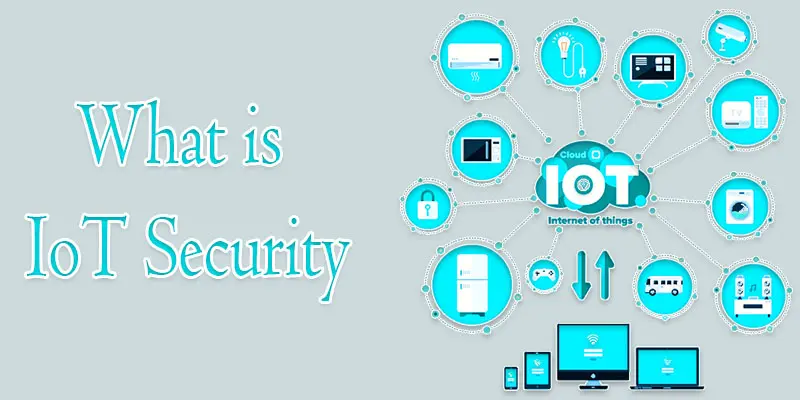
IoT Security means protecting internet-connected devices from hackers, malware, and data theft. These devices are part of the Internet of Things (IoT). They connect to the internet and share data with apps or other systems. Because they are online, they can become targets for cyber attacks. Many everyday devices use IoT technology. Examples include:
- Smart home cameras
- Fitness trackers
- Smart TVs
- Smart thermostats
For example, a smart security camera sends video to your phone through the internet. If the device has weak security, a hacker may access that video.
What are the Best Practices for IoT Security?
Smart devices make life easy. However, neglecting proper safeguards can turn them into potential security threats. Following simple IoT security best practices helps keep your smart devices, personal data, and home network safe. Here are some easy steps beginners can follow:
- Change Default Passwords: Many IoT devices come with default passwords. Hackers often know these passwords. Always create a strong and unique password. Example: Change the default password on your smart camera or router.
- Use Strong and Unique Passwords: A strong password protects your device from unauthorized access. Combine letters, numbers, and special characters for stronger security. Do not use the same password for all devices.
- Update Device Software Regularly: Manufacturers release updates to fix security flaws. Install updates as soon as they are available. Example: Update the firmware of your smart TV or smart thermostat.
- Secure Your Wi-Fi Network: Your smart devices connect through your home network. Use Wi-Fi encryption and a strong router password. This protects devices from cyber attacks.
- Enable Two-Factor Authentication (2FA): Two-factor authentication adds an extra security step. It may send a code to your phone before login. This reduces the risk of hacking.
- Disable Unused Features: Many IoT devices have features you may not need. Turning them off reduces possible entry points for attackers.
- Use a Separate Network for IoT Devices: Create a separate Wi-Fi network for smart devices. This keeps them away from important devices like laptops or work computers.
- Buy Devices from Trusted Brands: Reliable manufacturers often provide better IoT device security, updates, and customer support.
Why IoT Security is Important?
IoT security is important because many smart devices connect to the internet and share personal data. If these devices are not protected, hackers may access your information or control the devices. This can lead to privacy problems, data theft, or even financial loss.
For example, a poorly protected smart home camera could allow a hacker to watch live video. A weak smart thermostat or smart lock could also be accessed without permission. Good IoT device security protects your personal data, home network, and connected systems. It also helps prevent cyber attacks and keeps your smart devices working safely.

What are the Most Common IoT Security Risks?
IoT devices make life easier, but they can also face several security risks. Understanding these threats helps you protect your smart devices and personal data. Here are the most common IoT security risks beginners should know:
- Weak or Default Passwords: Many devices come with default passwords that are easy to guess. Hackers can easily access devices like smart cameras or smart locks.
- Outdated Software or Firmware: Devices that are not updated can have security flaws. Hackers exploit these weaknesses to access your data. Example: A smart thermostat with outdated firmware can be hacked remotely.
- Unsecured Networks: Connecting IoT devices to public Wi-Fi or weak home networks increases the risk of cyber attacks.
- Data Privacy Issues: Many IoT devices collect sensitive data. If not protected, hackers can steal personal information like health records or home activity.
- Device Vulnerabilities: Some IoT devices have built-in security weaknesses that hackers can exploit.
How IoT Security Works?
IoT security protects smart devices and connected systems from hackers and cyber threats. It works by using several simple methods that keep devices and data safe. One key method is encryption, which scrambles data so hackers cannot read it. Authentication ensures only authorized users can access devices. Regular software updates fix security flaws and keep devices protected.
Securing the network connection prevents attackers from reaching devices through Wi-Fi or internet connections. For example, a smart security camera uses encryption to protect video streams. It also requires a secure login, and firmware updates keep it safe from new threats. By combining these steps, IoT security ensures your smart home, personal data, and connected devices stay protected from cyber attacks and unauthorized access.
What Types of IoT Devices Need Security?
Many everyday devices now connect to the internet, making them part of the Internet of Things (IoT). These smart devices collect and share data, so they need proper IoT security to stay safe from hackers and cyber threats. Here are the main types of IoT devices that need protection:
- Smart Home Devices
- Wearable and Healthcare Devices
- Industrial IoT Devices
- Smart City Devices
- Connected Vehicles
- Smart Home Devices: Devices like smart cameras, smart locks, smart lights, and smart thermostats. Example: A smart door lock can be hacked if it uses a weak password.
- Wearable and Healthcare Devices: Fitness trackers, smartwatches, and medical monitors collect sensitive personal data.
- Industrial IoT Devices: Sensors and machines in factories or warehouses. A cyber attack can disrupt operations.
- Smart City Devices: Traffic lights, public cameras, and environmental sensors help cities function. Security is crucial to prevent misuse.
- Connected Vehicles: Cars with internet-connected systems need protection to avoid unauthorized access.
What Should Businesses Know About IoT Security?
Businesses use many IoT devices, such as smart sensors, connected machines, and security cameras. These devices make operations easier but can also create cybersecurity risks. To stay safe, businesses should:
- Protect company data and customer information.
- Use strong passwords and secure network connections.
- Regularly update device software and firmware.
- Monitor IoT devices for unusual activity.
What Does the Future of IoT Security Look Like?
The future of IoT security is focused on stronger protection for smart devices and connected systems. With more devices online, the chances of cyber attacks are growing. Future trends include:
- AI-Based Security: Systems will detect unusual activity automatically.
- Improved Encryption: Data will be safer with stronger encryption methods.
- Better Device Authentication: Only authorized users can access devices.
- Regular Automated Updates: Devices will update themselves to fix security flaws.

Final Thoughts
IoT devices make life easier, but they also need strong protection. IoT Security helps keep smart devices, networks, and personal data safe from cyber threats. Simple steps like strong passwords, regular updates, and secure networks can reduce risks. Start protecting your devices today. Check your device’s security settings and follow the recommended steps to stay protected. A few small actions now can keep your digital life safe and secure.
FAQs
What does IoT stand for?
IoT stands for “Internet of Things.”It means internet-connected devices that gather and exchange information. Examples include smart home devices, wearable fitness trackers, and connected cars, making life easier and more efficient.
Is IoT the same as AI?
No, IoT is not the same as AI. IoT connects devices to the internet, while AI (Artificial Intelligence) helps devices analyze data and make decisions. Together, they create smarter systems like predictive home automation and smart healthcare devices.
What are the 4 types of IoT applications?
The four main IoT application types are:
Consumer IoT: Smart home devices, wearables.
Industrial IoT (IIoT): Factory sensors, machinery monitoring.
Healthcare IoT: Remote patient monitoring, smart medical devices.
Smart City IoT: Traffic, waste, and energy management.
Is IoT still in demand?
Yes, IoT is highly in demand. Businesses and consumers are adopting connected devices rapidly. Careers in IoT, smart home systems, industrial sensors, and IoT security are growing, offering strong job opportunities and future-proof skills.
Is IoT a good career path?
Yes, IoT is a promising career path. It offers jobs in device development, data analytics, network security, and AI integration. Professionals can enjoy high demand, competitive salaries, and opportunities to work on innovative smart technologies.
Is IoT good or bad for society?
IoT is mostly good for society because it improves convenience, safety, and efficiency in homes, cities, and industries. But strong IoT security is needed to stop data leaks and keep users’ information safe everywhere.




- Be Respectful
- Stay Relevant
- Stay Positive
- True Feedback
- Encourage Discussion
- Avoid Spamming
- No Fake News
- Don't Copy-Paste
- No Personal Attacks
- Be Respectful
- Stay Relevant
- Stay Positive
- True Feedback
- Encourage Discussion
- Avoid Spamming
- No Fake News
- Don't Copy-Paste
- No Personal Attacks
