Advantages and Disadvantages of the Internet | Facts about the Internet
Published: 3 Sep 2024
Have you ever wondered if the internet is helping your life or slowly taking over it? You use it every day. For work. For study. For fun. But sometimes it feels confusing, right? One moment it saves your time, and the next moment it wastes hours without you noticing. This is the real problem. Many people enjoy the internet but do not fully understand its impact.
They miss both the good and the bad sides. That is why learning the advantages and disadvantages of the internet is so important today. Think about it. You can learn anything in seconds. You can connect with people around the world. But you can also face risks like scams, addiction, and loss of privacy. So what should you do? Ignore it? Or use it wisely?
In this guide, you will get a clear and simple guide. You will learn the real benefits and hidden drawbacks. This will help you make smart choices. Ready to take control of your online life? Let’s begin.
What are the Pros and Cons of the Internet?
The internet is a big part of our daily life. We use it for study, work, and fun. But like everything, it has both good and bad sides. Let’s understand the advantages and disadvantages of internet in a simple way.
Advantages of Internet
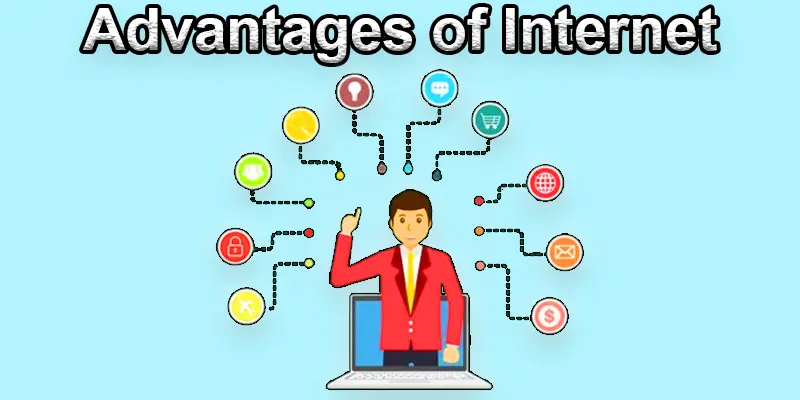
The internet offers numerous benefits that make life easier and more enjoyable. It keeps us connected with friends and family anywhere in the world through social media, emails, and video calls. Here are some key advantages of the Internet:
- Instant Information
- Educational Resources
- Online Shopping
- Job Opportunities
- Social Networking
- Cloud Storage
- Global Communication
Instant Information
Instant information means you can quickly find answers to your questions and learn about almost anything right away. You can find a ton of knowledge on subjects like science, news, and hobbies with only a few clicks. Whether you need to know the latest weather forecast, search for a recipe, or look up how to fix something, the internet provides immediate answers. This easy access helps save time and makes learning and problem-solving faster and more convenient.
Educational Resources
The Internet offers a wide range of learning tools and materials that help you gain new skills and knowledge. You can find online courses, tutorials, and videos on almost any subject, from cooking and coding to science and art. These resources allow you to learn at your own pace and from the comfort of your home. Whether you’re looking to improve your job skills, explore a new hobby, or just satisfy your curiosity, the Internet makes learning accessible and convenient.
Online Shopping
Online shopping lets you buy products and services over the internet without leaving your home. You can browse through different items, compare prices, and read reviews from your computer or smartphone. Once you find what you want, you can order it with a few clicks, and it will be delivered to your door. This makes shopping convenient and saves time, as you don’t need to travel to stores or wait in long lines. Whether you’re buying clothes, electronics, or groceries, online shopping offers a quick and easy way to get what you need.
Job Opportunities
The internet opens up many job opportunities by letting you search for jobs and apply for positions from anywhere. You can find job listings on websites, company pages, and job boards, making it easy to see available positions in different fields. Many companies also offer remote work, allowing you to work from home or any location. Additionally, the internet helps you connect with potential employers and network with professionals. This makes finding a job and advancing your career more accessible and flexible.
Social Networking
Social networking is a way to connect with people through websites and apps on the internet. You may stay in contact with friends and family, make a profile, and post updates, pictures, and videos. It also allows you to meet new people who share your interests or join groups and communities. Social networking helps you keep up with what’s happening in others’ lives and share your own experiences. It’s a great way to build and maintain relationships, find new friends, and stay connected with your community.
Cloud Storage
Cloud storage is a way to save your files and documents on the internet instead of on your computer or phone. Your images, movies, and other significant files can be uploaded to online services so that you can access them from any internet-connected device. This makes it easy to share files with others and ensures you don’t lose them if something happens to your device. Cloud storage helps keep your data safe and accessible wherever you are.
Global Communication
Global communication is the ability to connect with people all around the world using the internet. You can send messages, make video calls, and share updates with friends and family, no matter where they are. Social media, emails, and messaging apps make it easy to stay in touch and share information quickly. This helps people stay connected despite long distances and different time zones, making the world feel smaller and more connected.
Disadvantages of Internet
While the Internet offers many benefits, it also has some drawbacks. It can pose risks to your privacy, with personal information sometimes being exposed or misused. There is also a lot of false information that can spread quickly, leading to confusion. Additionally, spending too much time online can lead to issues like addiction or health problems from too much screen time. Here are some key disadvantages of the Internet:
- Privacy Ricks
- Misinformation
- Cyberbullying
- Addiction
- Health Issue
- Security Threats
- Social Isolation
Privacy Ricks
Privacy risks on the internet mean that your personal information, like your name, address, and phone number, can be exposed or stolen. When you use websites or apps, your data might be collected and used without your full knowledge. Sometimes, hackers or scammers might access your private details, leading to problems like identity theft. It’s crucial to use caution while disclosing information online and to safeguard your data with privacy settings. Keeping your data safe helps prevent misuse and keeps your personal life secure.
Misinformation
Misinformation is when incorrect or misleading information is shared on the internet. This may occur as a result of inaccurate information, rumours, or news. Since anybody may upload content on the internet, false information can easily proliferate and be taken for truth. This may cause misunderstandings and make it difficult to determine what is true. It’s important to check the sources of information and verify facts before believing or sharing them.
Cyberbullying
Cyberbullying is when someone uses the internet to harass, threaten, or be mean to others. This can happen through messages, social media posts, or comments online. It can cause emotional pain and distress for the person being bullied. Unlike bullying in person, cyberbullying can happen anytime and anywhere, making it hard to escape. It’s important to report and block those who engage in cyberbullying and seek help if you or someone you know is being targeted.
Addiction
Addiction to the internet happens when you spend too much time online, to the point where it starts affecting your daily life. This might mean constantly checking social media, playing games for hours, or feeling anxious when you’re not online. It can interfere with your responsibilities, like school or work, and affect your relationships with family and friends. It’s important to set limits on internet use and balance online activities with real-life interactions and responsibilities.
Health Issue
Health issues from too much internet use can include problems like eye strain, headaches, and back pain from staring at screens for too long. Spending long hours online can also lead to poor posture and contribute to weight gain if it replaces physical activity. Additionally, too much screen time can affect your sleep and overall well-being. To stay healthy, it’s important to take breaks, practice good posture, and balance your screen time with physical activity and rest.

Security Threats
Security threats on the internet include dangers like hackers and scammers who try to steal your personal information, such as your passwords or financial details. They might use fake websites, emails, or messages to trick you into giving them your data. These threats can lead to problems like identity theft or financial loss. Use strong passwords, exercise caution when clicking on links and emails, and keep your software updated to protect yourself from security risks.
Social Isolation
Social isolation happens when you spend so much time online that you start to feel disconnected from real-life friends and family. Instead of meeting people face-to-face or engaging in activities outside, you might spend most of your time alone on the Internet. This can lead to feelings of loneliness and make it harder to build and maintain real-world relationships. To avoid social isolation, try to balance your online time with in-person interactions and activities.
What are Some Interesting Facts About the Internet?
- Over 5 billion people use the internet.
- The first website went live in 1991.
- More than 4.5 billion Google searches happen daily.
- Over 2 million emails are sent every second.
- YouTube has over 2 billion logged-in monthly users.
- The average person spends over 6 hours a day online.
- Social media platforms host over 4.5 billion active users.
- The internet is made up of more than 1.7 billion websites.
- More than 3.5 billion searches are made on Google every day.
- The term “internet” was first used in 1974.
Final Thoughts
The internet is powerful. It offers fast communication, learning, and endless opportunities. But it also brings risks like distraction, security issues, and misinformation. Understanding the pros and cons of the internet helps you stay safe and productive. Use it wisely. Set limits. Stay aware. Now it’s your turn. Make smart choices and turn the internet into your biggest advantage.
FAQs
How does the internet help with learning?
The internet provides access to online courses, tutorials, and educational videos. You can find information on almost any topic and learn at your own pace from anywhere.
How does the internet affect how we interact with others?
The internet allows us to communicate easily with people around the world through social media, emails, and video calls. However, it can also reduce face-to-face interactions and sometimes lead to misunderstandings.
How many people use the internet globally?
The internet is a widely used instrument for communication, information, and entertainment, with over 5 billion users worldwide.
What are the pros and cons of shopping online?
Pros: You can shop from home, compare prices easily, and find a wide range of products.
Cons: You might face issues with delivery, receive incorrect items, or encounter scams.
What are the pros and cons of banking online?
Pros: You can manage your accounts, pay bills, and transfer money anytime from anywhere.
Cons: Risks include potential security breaches and the chance of falling for online scams.
What are the advantages and disadvantages of using the internet for students?
Advantages: Students can access a wealth of information, take online courses, and use educational tools.
Disadvantages: Risks include distractions from social media, exposure to misinformation, and potential for cyberbullying.






- Be Respectful
- Stay Relevant
- Stay Positive
- True Feedback
- Encourage Discussion
- Avoid Spamming
- No Fake News
- Don't Copy-Paste
- No Personal Attacks
- Be Respectful
- Stay Relevant
- Stay Positive
- True Feedback
- Encourage Discussion
- Avoid Spamming
- No Fake News
- Don't Copy-Paste
- No Personal Attacks
