Difference Between Static vs Dynamic QR Code for Beginners
Published: 4 Jun 2024
Dynamic and static QR codes are both frequently used in digital marketing and business. But what’s the difference between them? Static QR codes are permanent and cannot be modified, which can be limiting for businesses that need to make changes. On the other hand, dynamic QR codes offer flexibility and tracking capabilities, making them an attractive option for businesses looking for more control. Whether you’re looking for a simple, unchangeable code or one that can be updated as needed, understanding both types can help you choose the best fit for your needs.
What is the Difference Between Static QR Code and Dynamic QR Code?
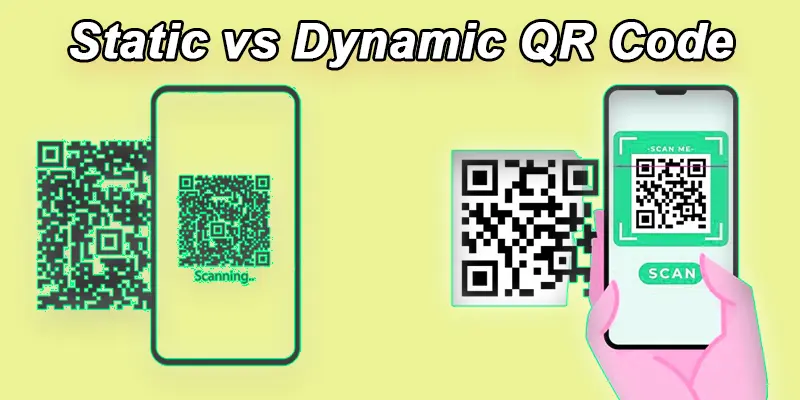
The main difference between dynamic and static QR codes is that static QR codes are fixed and can not be changed, while dynamic QR codes can be updated and tracked even after being printed.
| Static QR Code | Dynamic QR Code |
|---|---|
| A QR code with fixed information that cannot be changed once generated. | A QR code whose information can be edited or updated after creation. |
| QR code on a product packaging that always shows the same website link. | QR code on a marketing poster where the URL can be updated later. |
| Cannot be changed after creation. | Can be changed anytime without creating a new code. |
| No analytics available. | Can track scans, location, device type, and time. |
| Usually free to generate. | Often paid due to advanced features. |
| Limited flexibility. | Highly flexible for updates and campaigns. |
| Simple links, business cards, contact info. | Marketing campaigns, promotions, event info. |
| Can store small amounts of data (URL, text). | Can store larger or dynamic data. |
| Directly opens the encoded data. | Can redirect to different URLs without changing the code. |
| Less secure; data is visible in the code. | Can include password protection or encryption. |
| No maintenance needed. | Needs ongoing management for updates. |
| Simple and quick. | Can include advanced features like landing pages or forms. |
| Standard error correction. | Can include higher error correction for dynamic changes. |
| Limited design options. | Can be customized with colors, logos, and frames. |
| Permanent as long as printed. | Can last long since the destination can be updated. |
| Not available. | Full analytics available for tracking effectiveness. |
| Limited for one-time campaigns. | Perfect for ongoing or multi-phase campaigns. |
| Standalone code; no integration. | Can integrate with CRM, email, and other tools. |
| If URL changes, the QR becomes useless. | URL changes do not affect the same QR code. |
| Basic and static. | Interactive and adaptable for users. |
| Impossible. | Instant updates possible. |
| Product link QR on packaging. | Event QR linking to a live event schedule. |
Conclusion
Static and Dynamic QR codes offer unique benefits, features, and functionality for specific uses. Static QR codes are frozen and simple, provide fixed information, are free to create, and do not change, like contact details, website links, locations, and text messages. However, Dynamic QR codes provide additional features and benefits. They are perfect for marketing campaigns, making offers, and event promotions. You can update anytime, track scan data, and adjust to changing information.
FAQS
Dynamic QR codes can be changed whenever you want, while Static QR codes have fixed information that you cannot change once they are created.
Creating a Static QR code is simple. You can use different online tools or QR code generators. Input the desired information (like a URL or text), and the tool generates a QR code.
Static QR codes are frequently used to transfer permanent data, like text messages, Wi-Fi passwords, website links, phone numbers, and product information on packaging.
Static QR codes are generally considered secure for sharing public information. However, they are unsuitable for sensitive or confidential data as the information is directly embedded in the code and cannot be encrypted or updated.
Static QR codes can be used effectively if their information remains relevant and unchanged. Nevertheless, a fresh QR code must be created if the data needs to be changed.
Dynamic QR codes store a short URL link pointing to external data. This link can be updated to redirect to different content without changing the QR code.
Yes, generating dynamic QR codes may involve costs. Some services offer free primary benefits, while advanced functionalities like tracking, analytics, and password protection may require a subscription or service fee.
Yes, dynamic QR codes allow the tracking of scanned data. They can give details like the number of times the QR code was checked, the location and time it was scanned, and the device used.
The main difference is in their changeability and functionality. Unlike Dynamic QR codes, whose content can be updated at any moment, Static QR codes have fixed content and cannot be updated after creation. Advanced capabilities like tracking and analytics are also available with Dynamic QR codes.
Scan the QR code and check if the URL includes a redirect or tracking link. If the destination can be edited later, it’s dynamic if not, it’s static.
Static QR codes are free and easy to make. They work without an internet connection and never expire.
A static QR code holds fixed information, like a website link or contact number. Once made, it cannot be changed.





- Be Respectful
- Stay Relevant
- Stay Positive
- True Feedback
- Encourage Discussion
- Avoid Spamming
- No Fake News
- Don't Copy-Paste
- No Personal Attacks
- Be Respectful
- Stay Relevant
- Stay Positive
- True Feedback
- Encourage Discussion
- Avoid Spamming
- No Fake News
- Don't Copy-Paste
- No Personal Attacks
